
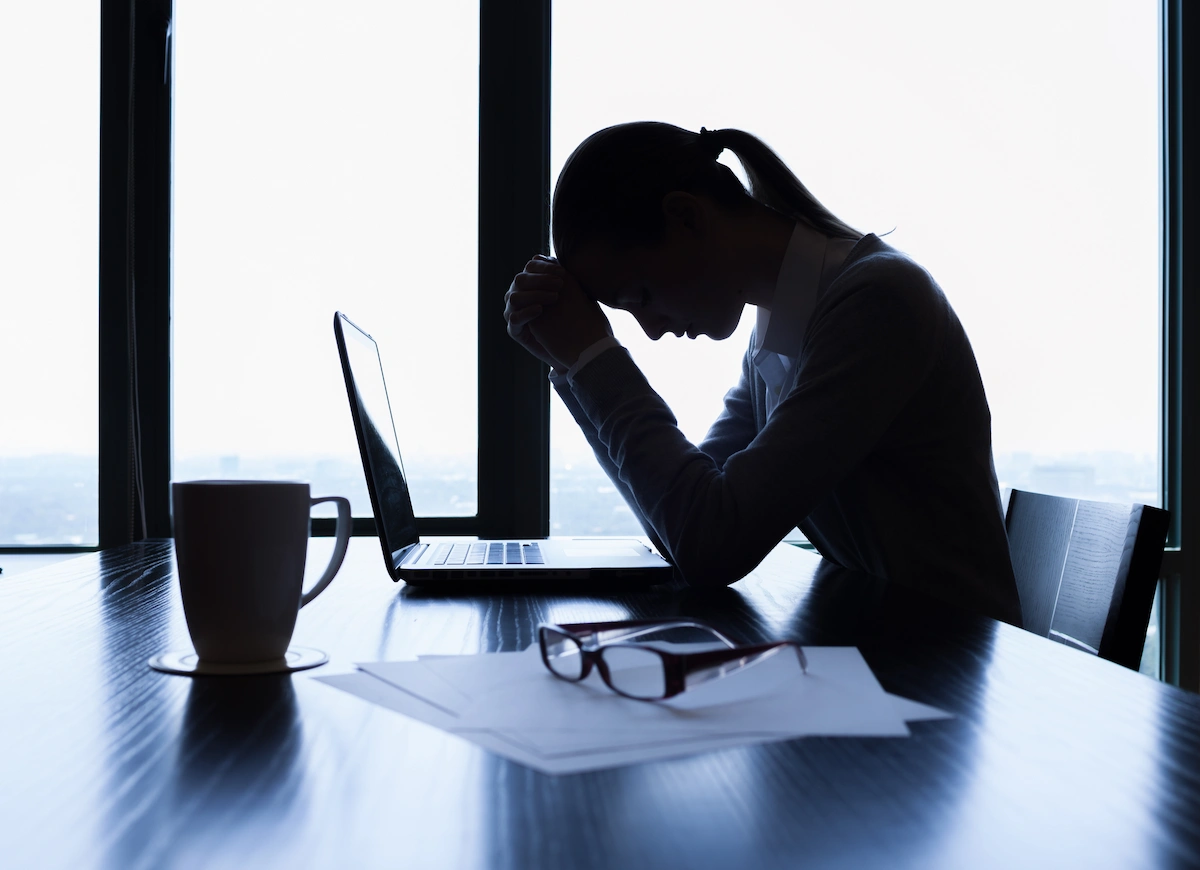
Stress can affect more than your mood, sleep, and energy. It can also change how your eyes feel and, sometimes, how clearly you see. During stressful periods, you may notice dry, tired, or twitching eyes; headaches; trouble focusing; or blurry vision that comes and goes.
Common stress-related eye symptoms include:
- Tired, sore, or strained eyes
- Blurry or fluctuating vision
- Dryness, burning, or a gritty sensation
- Watery or red eyes
- Headaches around the eyes or forehead
- Eyelid twitching
These symptoms are often temporary, but persistent or worsening symptoms deserve attention. An adult eye exam in Keene can help determine whether stress, dry eye, a prescription change, or another eye health concern is involved.
Specific ways stress can affect your eyes and vision
Stress can affect sleep, muscle tension, focus, and daily habits. Those changes can make your eyes feel strained or worsen existing symptoms.
Eye strain and blurry vision
Stressful periods can lead to longer hours on a computer, phone, or other close-up task. Focusing on screens can reduce how often and how completely you blink, while tension in the face, neck, and shoulders may contribute to headaches and eye discomfort.
Eye strain may cause:
- Temporary blurred vision
- Difficulty shifting focus between near and far objects
- Headaches after reading or screen use
- Tired or achy eyes
- Trouble concentrating on detailed tasks
Screen breaks, comfortable lighting, and full, frequent blinking may help. If blurred vision or headaches happen often, an eye exam can check for a prescription change or another cause.
Dry, burning, or watery eyes
Stress can make dry eye symptoms more noticeable. When concentrating on demanding tasks, people often blink less often, allowing tears to evaporate more quickly. This can leave the eyes dry, burning, gritty, red, or watery.
Watery eyes can still be a sign of dryness. Irritated eyes may produce reflex tears, but these tears do not always provide the moisture needed for lasting comfort.
If dryness, burning, or a scratchy sensation keeps returning, a dry eye evaluation in Keene can help identify the cause and appropriate treatment options.
Eyelid twitching
Eyelid twitching often feels like a small flutter in one eyelid. Stress, fatigue, caffeine, dry eyes, and eye strain can all trigger or worsen it.
Most twitches are harmless and may improve with:
- Consistent sleep
- Reduced caffeine
- Hydration
- Regular screen breaks
- Stress-management habits
Schedule an eye exam if twitching lasts several weeks, causes the eyelid to close completely, occurs with facial weakness, or comes with other concerning symptoms.
Changes in eye pressure
Stress and anxiety may temporarily affect eye pressure, also called intraocular pressure. Eye pressure is one factor in glaucoma, which can damage the optic nerve over time.
A stressful day does not mean you have glaucoma, but routine eye exams remain important because glaucoma often has no early symptoms. An eye doctor can evaluate eye pressure, the optic nerve, and other signs of eye disease.
When should you schedule an eye exam?
Schedule an eye exam for persistent blurry vision, headaches, dryness, eye pain, or difficulty focusing. Seek prompt care for sudden vision loss, new flashes or floaters, severe light sensitivity, significant redness, an eye injury, or a curtain-like shadow in your vision.
New England EyeWorks provides personalized eye care for patients in Keene and the Monadnock Region. An exam can help clarify what is behind your symptoms and support comfortable, healthy vision during stressful times.